


Rheumatology
Understanding Rheumatology
Rheumatology includes all disorders affecting the joints, muscles, and surrounding tissues. It concerns pain, stiffness, inflammation, or movement limitations that may become chronic. These disorders can strongly impact mobility and daily comfort.
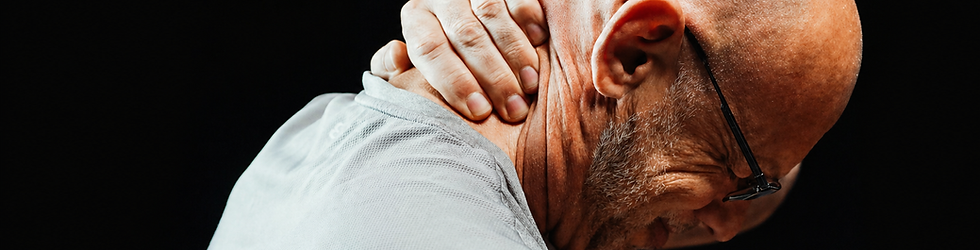
Where These Imbalances Come From
Rheumatologic conditions often result from a combination of mechanical, inflammatory, and functional factors.
The body gradually loses its ability to maintain smooth balance within the joints and tissues.
Main Factors:
-
Joint wear related to age or activity
-
Chronic inflammation
-
Poor posture
-
Physical overexertion
-
Climatic factors (cold, humidity)
-
Poor internal circulation
These elements promote the appearance of pain and blockages.
Why Symptoms Appear
When joints and tissues become weakened, this may lead to:
-
Joint or muscle pain
-
Stiffness, especially in the morning
-
Loss of mobility
-
Sensitivity to weather changes
-
Local inflammation
The body then enters a cycle where pain limits movement, and lack of movement maintains the pain.
Moxibustion: A Targeted and Natural Approach
Moxibustion is a Traditional Chinese Medicine technique that uses the heat of mugwort to stimulate specific points on the body.
Its purpose is to warm the body, reactivate circulation, and relieve painful areas.
Effects of Moxibustion in Rheumatology
The heat acts deeply and helps to:
-
Reduce joint pain
-
Decrease stiffness
-
Improve mobility
-
Promote blood and energy circulation
-
Relieve muscle tension
It helps restore flexibility and comfort to the joints.
A Holistic and Complementary Approach
Moxibustion does not simply relieve symptoms.
It acts on the body’s foundation by improving circulation and rebalancing internal functions.
It is part of a complementary, natural, and progressive approach.
Expected Results
With appropriate support:
-
Reduced pain
-
Improved mobility
-
Decreased stiffness
-
Better joint comfort
-
Enhanced quality of life
The body gradually regains smoother and more balanced functioning.
Osteoarthritis
Progressive wear of the joint cartilage causing pain, stiffness, and loss of mobility.
It develops slowly and may become disabling.
Common Causes:
-
Joint aging
-
Overuse or repetitive movements
-
Overweight
-
Mechanical imbalances
Lower Back Pain
Pain located in the lower back, which may be acute or chronic.
It limits movement and may radiate into the legs.
Common Causes:
-
Poor posture
-
Improper physical effort
-
Sedentary lifestyle
-
Muscle weakness
Thoracic Back Pain
Pain located in the middle back, often associated with muscle tension.
It may be diffuse or localized.
Common Causes:
-
Prolonged posture (screen work, office work)
-
Stress
-
Muscle blockages
-
Lack of mobility
Neck Pain
Pain in the neck area, sometimes accompanied by stiffness or headaches.
It may radiate into the shoulders.
Common Causes:
-
Poor posture
-
Stress and nervous tension
-
Screen work
-
Trauma
Cervicobrachial Neuralgia
Nerve pain starting in the neck and radiating down the arm.
Often described as electric shocks or burning sensations.
Common Causes:
-
Nerve compression
-
Herniated disc
-
Cervical tension
-
Postural disorders
Epicondylitis (Tennis Elbow)
Inflammation of the tendons around the elbow causing pain during movement.
It may limit everyday activities.
Common Causes:
-
Repetitive movements
-
Overuse of the arm
-
Poor positioning
-
Professional or sports activities
Sciatica
Pain caused by irritation of the sciatic nerve, radiating from the lower back down the leg.
It may be highly disabling.
Common Causes:
-
Herniated disc
-
Nerve compression
-
Muscle tension
-
Poor posture
Muscle Cramps
Sudden, involuntary, and painful muscle contractions.
They often occur at rest or during the night.
Common Causes:
-
Muscle fatigue
-
Dehydration
-
Deficiencies
-
Poor circulation
Sprain Aftereffects
Persistent pain or instability following a poorly healed sprain.
They may limit mobility and promote recurrence.
Common Causes:
-
Poor rehabilitation
-
Ligament weakness
-
Returning to activity too quickly
-
Joint imbalance
Tendinitis
Inflammation of the tendons causing pain and discomfort during movement.
Often linked to overuse.
Common Causes:
-
Repetitive movements
-
Physical overexertion
-
Poor posture
-
Lack of recovery
These rheumatologic disorders reflect deterioration of joint, muscular, and nervous structures. They are often linked to an imbalance between mechanical strain, fatigue, and poor internal circulation. A holistic approach helps relieve pain, improve mobility, and reduce recurrence.