


Cardiovascular System Disorders
Understanding Cardiovascular Disorders
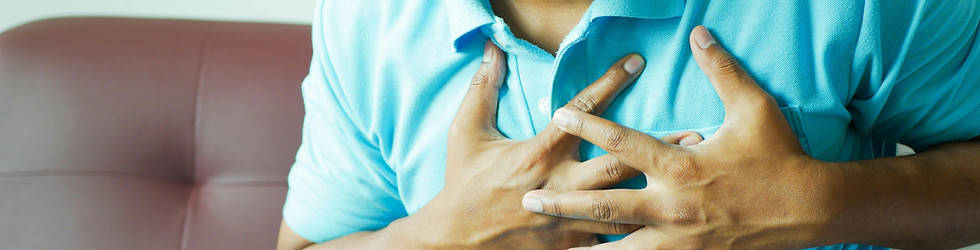
Cardiovascular diseases include disorders affecting the heart and blood circulation. They may appear as poor circulation, heavy legs, palpitations, unusual fatigue, or irregular blood pressure. These imbalances directly affect tissue oxygenation and the body’s proper functioning.
Where These Imbalances Come From
The cardiovascular system is closely linked to lifestyle and the body’s overall balance.
When disrupted, circulation becomes less fluid and vital functions become less efficient.
Main Factors:
-
Chronic stress and nervous tension
-
Sedentary lifestyle
-
Unbalanced diet
-
General fatigue
-
Poor circulation of energy and blood
These factors may slow circulation, create stagnation, and weaken the cardiovascular system.
Why Pain and Blockages Appear
When blood circulation is impaired, the body no longer receives oxygen and nutrients properly.
This may lead to:
-
Feelings of heaviness or swelling
-
Persistent fatigue
-
Rhythm disturbances or palpitations
-
Cold sensations in the extremities
-
Reduced overall energy
These signals reflect a loss of efficiency in the circulatory system and an internal imbalance.
Moxibustion: Naturally Stimulating Circulation
Moxibustion is a Traditional Chinese Medicine technique that uses the heat of mugwort to stimulate specific points on the body.
Its purpose is to promote blood and energy circulation in order to support the proper functioning of the cardiovascular system.
Effects of Moxibustion on the Cardiovascular System
The thermal action helps to:
-
Stimulate blood circulation
-
Warm cold areas and improve blood flow
-
Reduce sensations of stagnation
-
Support the body’s overall balance
-
Relieve stress-related tension
It works deeply to restore fluidity to internal exchanges.
A Holistic and Preventive Approach
Moxibustion is part of a holistic approach to balance.
It does not replace medical follow-up but serves as a complementary approach to improve the body’s condition and help prevent worsening imbalances.
It is particularly suitable for people wishing to act preventively or support mild to moderate circulatory disorders.
Expected Results
With appropriate support:
-
Improved circulation
-
Reduced sensations of heaviness
-
Better vitality
-
A feeling of warmth and comfort in the body
-
Progressive rebalancing of the organism
The body gradually regains smoother circulation and more harmonious functioning.
Cardiac Neurosis
A functional disorder in which cardiac symptoms are present without any identifiable organic disease.
It may manifest as palpitations, chest pain, chest tightness, or sensations of irregular heartbeat.
Common Causes:
-
Chronic stress and anxiety
-
Hyperactivity of the nervous system
-
Emotional exhaustion
-
Anxiety-prone tendencies
Arteriosclerosis
Hardening and loss of elasticity of the arteries, leading to less efficient blood circulation.
It may progress silently before causing more noticeable disorders.
Common Causes:
-
Natural aging
-
Excess cholesterol
-
Smoking
-
Sedentary lifestyle
-
Unbalanced diet
Hypertension
An abnormal and persistent elevation of blood pressure.
Often asymptomatic, it may nevertheless strain the heart and blood vessels over time.
Common Causes:
-
Stress
-
Overweight
-
Excess salt intake
-
Lack of physical activity
-
Genetic factors
Hypotension
Abnormally low blood pressure, which may cause fatigue, dizziness, or faintness.
It is often felt during changes in position.
Common Causes:
-
General fatigue
-
Dehydration
-
Nervous system imbalance
-
Nutritional deficiencies
Shortness of Breath
Difficulty breathing normally, even during moderate effort or sometimes at rest.
It may be linked to poor oxygenation or inadequate adaptation of the cardiorespiratory system.
Common Causes:
-
Poor physical condition
-
Stress or anxiety
-
Circulatory disorders
-
General fatigue
-
Cardiac or pulmonary diseases
These disorders reflect a disruption in cardiovascular regulation and in the relationship between the heart, breathing, and the nervous system. They may develop progressively and affect the body’s overall balance. A holistic approach helps support circulation, calm the nervous system, and restore more harmonious functioning.